

May 04, 2024
Beldi Black Soap: The Olive-Based Moroccan Cleanser Loved for a Thousand Years
What is Beldi Black Soap?
Beldi soap — also called savon noir, or simply Moroccan black soap — is a thick, dark, paste-like cleanser made from crushed black olives, olive oil and potassium salts. It looks nothing like the soaps you grew up with. There are no bars, no foaming bubbles, no perfume. Just a soft, almost edible-looking paste with a faintly green-olive scent.
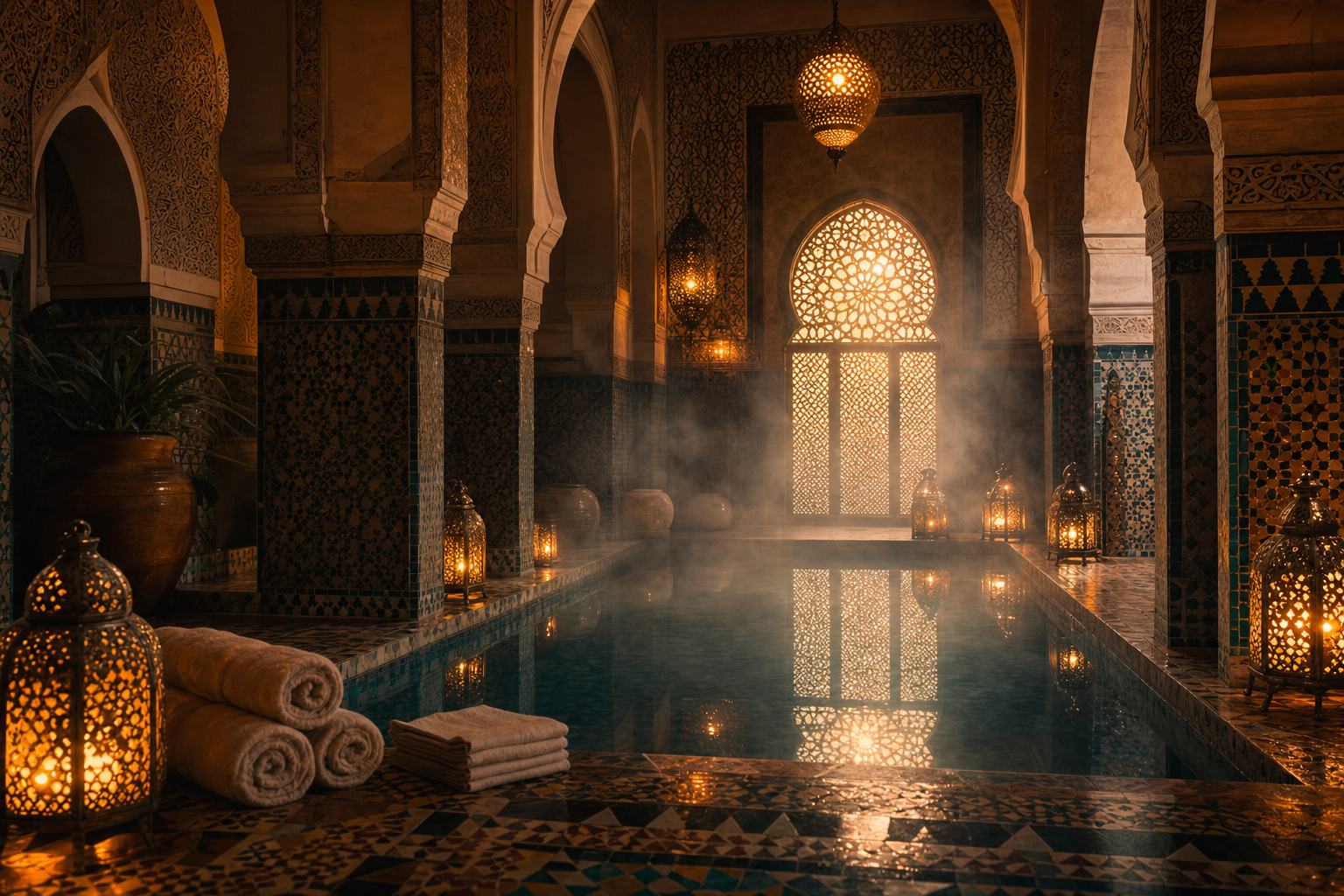
And it is the soap that, for over a thousand years, has prepared Moroccan skin for the kessa glove — the reason the hammam ritual transforms skin in a way no other body wash can.
How Beldi Soap Is Made
True Beldi is made the same way it has been for generations: black olives are crushed whole — pits and all — then mixed with olive oil and potash, and slow-aged for several weeks until soft and rich. No chemicals. No synthetic surfactants. No added fragrance.
This is why it does not lather like commercial soap. Instead, it softens the skin from the moment it touches it — and that softening is what makes the next step of the hammam, the kessa exfoliation, so dramatically effective.
The Benefits of Beldi Black Soap
- Deeply softens skin in under 5 minutes — the fastest skin-softener we know of
- Loosens dead skin cells so they lift away cleanly with a kessa glove
- Cleanses without stripping — leaves the skin barrier intact
- Rich in vitamin E and antioxidants from olive oil
- Suitable for sensitive skin, dry skin, eczema-prone skin and reactive skin
- Helps with KP, strawberry legs and rough patches as part of the hammam ritual
- Plant-based, biodegradable, and completely natural
How to Use Beldi Black Soap (Step-by-Step)
Step 1 — Warm your skin
Stand under a warm shower for at least 5 minutes, or soak in a warm bath. The heat opens your pores and prepares your skin for the soap. Do not use any other cleanser first.
Step 2 — Apply a thin layer
Scoop about a teaspoon of Beldi from the jar and spread a thin, even layer across your damp body — arms, legs, stomach, back. You do not need to lather. The soap is doing its work without foam.
Step 3 — Let it sit (3–5 minutes)
This is the magic step. As the soap sits on warm, damp skin, it begins to soften the bond between the dead skin cells on the surface and the fresh skin underneath. Five minutes is the sweet spot. Up to 10 minutes if your skin is very dry.
Step 4 — Exfoliate with a kessa glove
This is where Beldi really pays off. Use long, firm strokes with a kessa exfoliating mitt. You will see grey-brown rolls of dead skin lift away within seconds. This is the Beldi doing its job — the soap loosens, the glove lifts.
Without Beldi, the kessa works. With Beldi, the kessa transforms.
Step 5 — Rinse and moisturise
Rinse thoroughly under warm water until your skin feels squeaky-clean and silky. Pat dry, then while skin is still slightly damp, smooth on argan oil or a rich body cream. Skin afterwards feels softer than it has in years.
How Often Should You Use Beldi Soap?
- As part of a full hammam ritual (with a kessa glove): Once a week
- As a daily skin-softener — no exfoliation: 2–3 times a week
- Sensitive skin: Once a week, always followed with oil
- Right after shaving or waxing: Wait at least 24 hours
Can You Use Beldi Soap on Your Face?
Yes — but with care. Beldi is gentle, but the face is delicate. Use it occasionally (once or twice a week max), leave on for only 1–2 minutes, never exfoliate the face with a kessa glove, and always follow with a hydrating mist and oil. For most people, we recommend keeping Beldi for the body and using a gentler cleanser on the face.
How Beldi Soap is Different from Other "Black Soaps"
You may have seen "African black soap" sold as a Beldi alternative. They are completely different products. African black soap (typically from Ghana) is hard, bar-shaped, and made from plantain ash and palm oil — wonderful in its own right, but it foams, exfoliates differently, and is not what is used in a Moroccan hammam.
Beldi is olive-based, paste-textured, and works through softening, not scrubbing. If you want the true Moroccan hammam experience, Beldi is what you need.
Where MaisonZée Sources Beldi
Our Beldi is made by a small producer in the olive-growing region around Meknes, using olives pressed within hours of harvest and aged the traditional way — no shortcuts, no synthetic additives. The jar lasts months. The ritual lasts a lifetime.